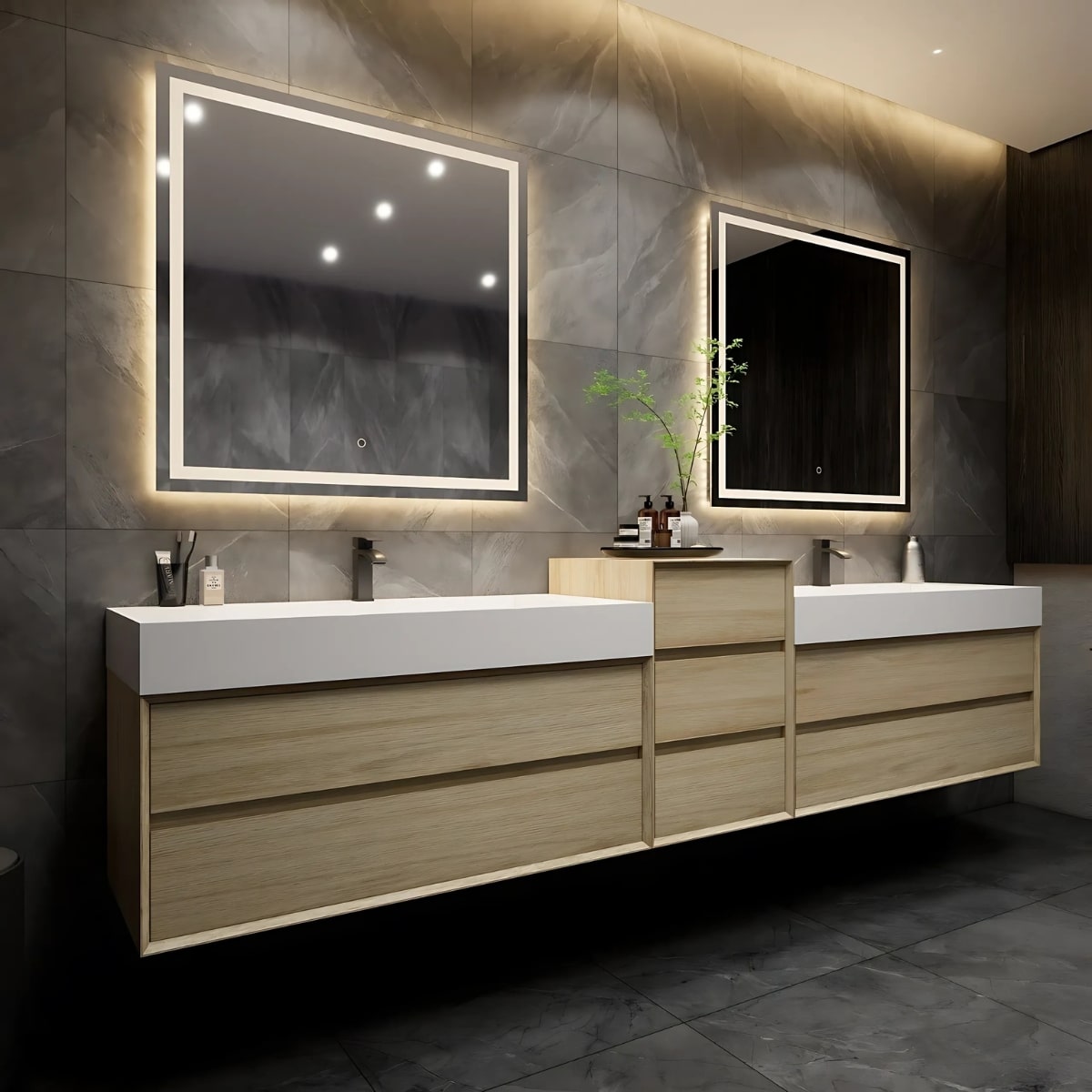
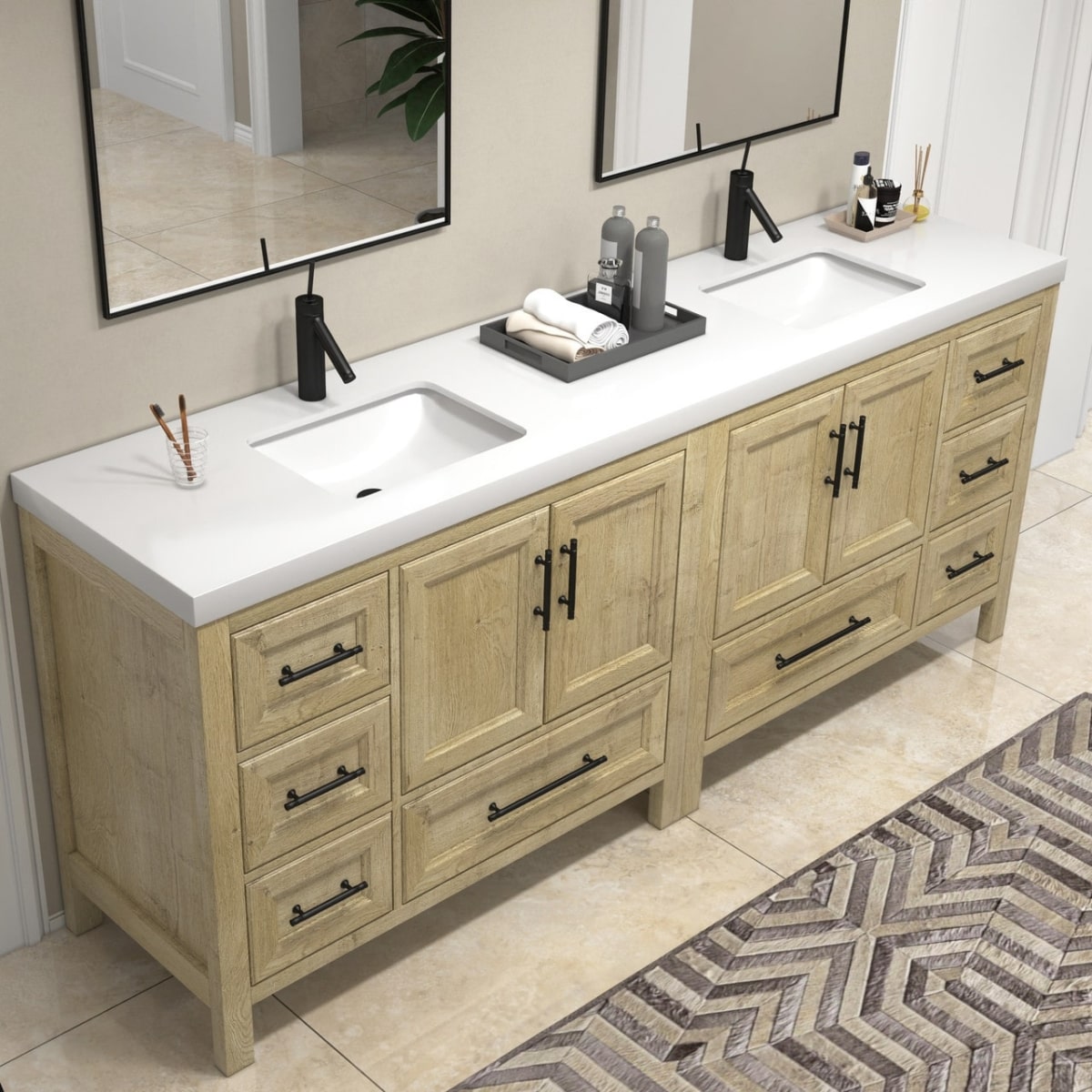
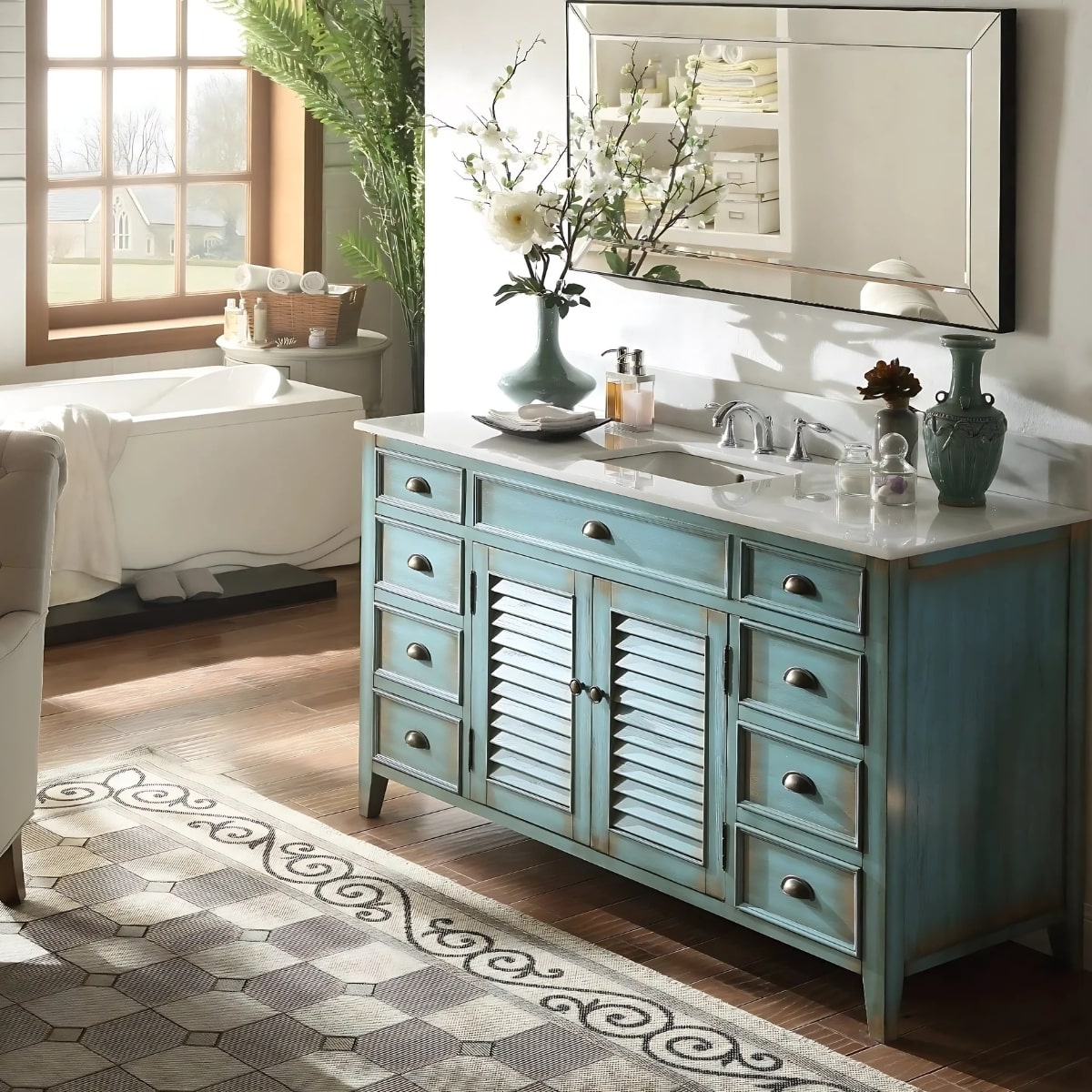
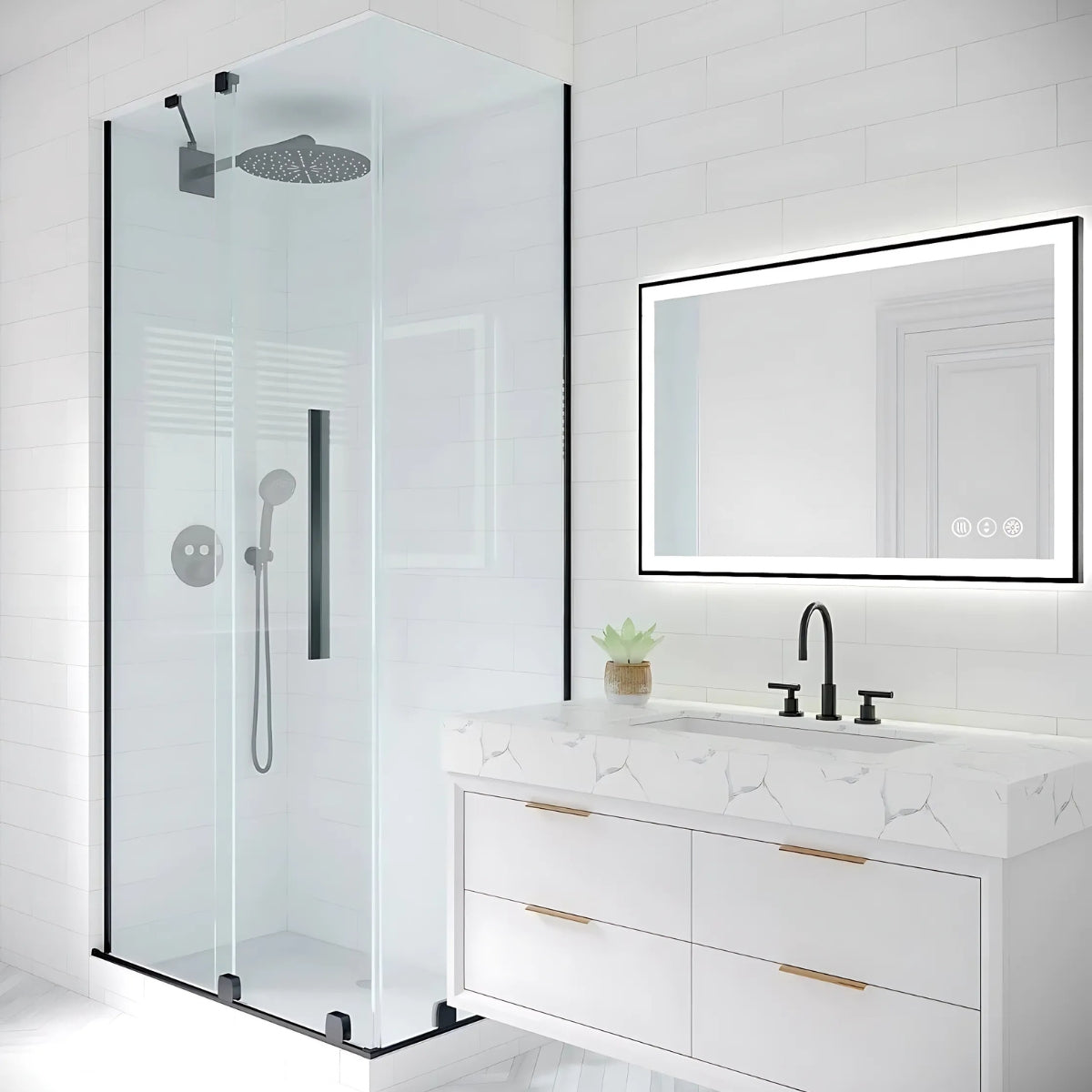
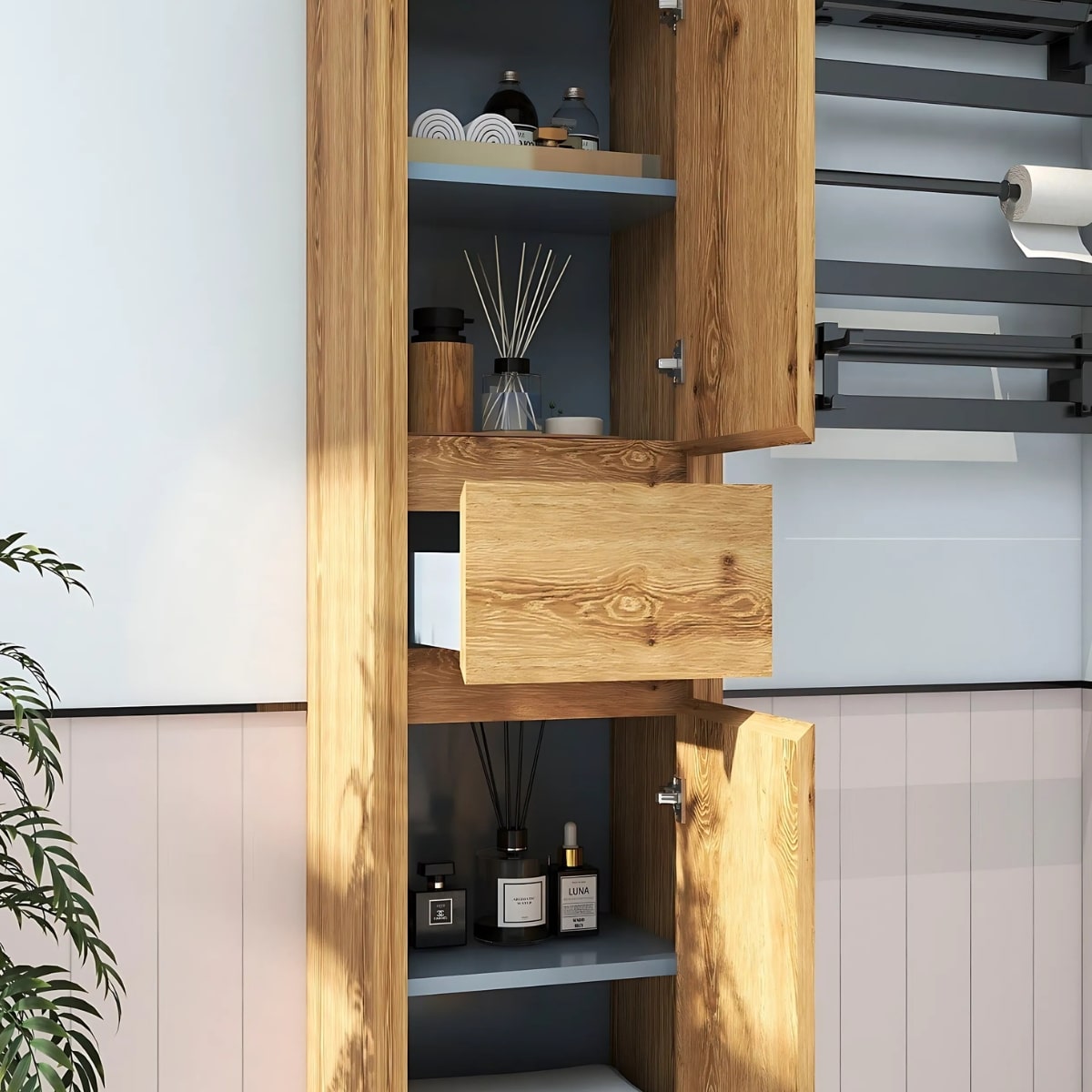
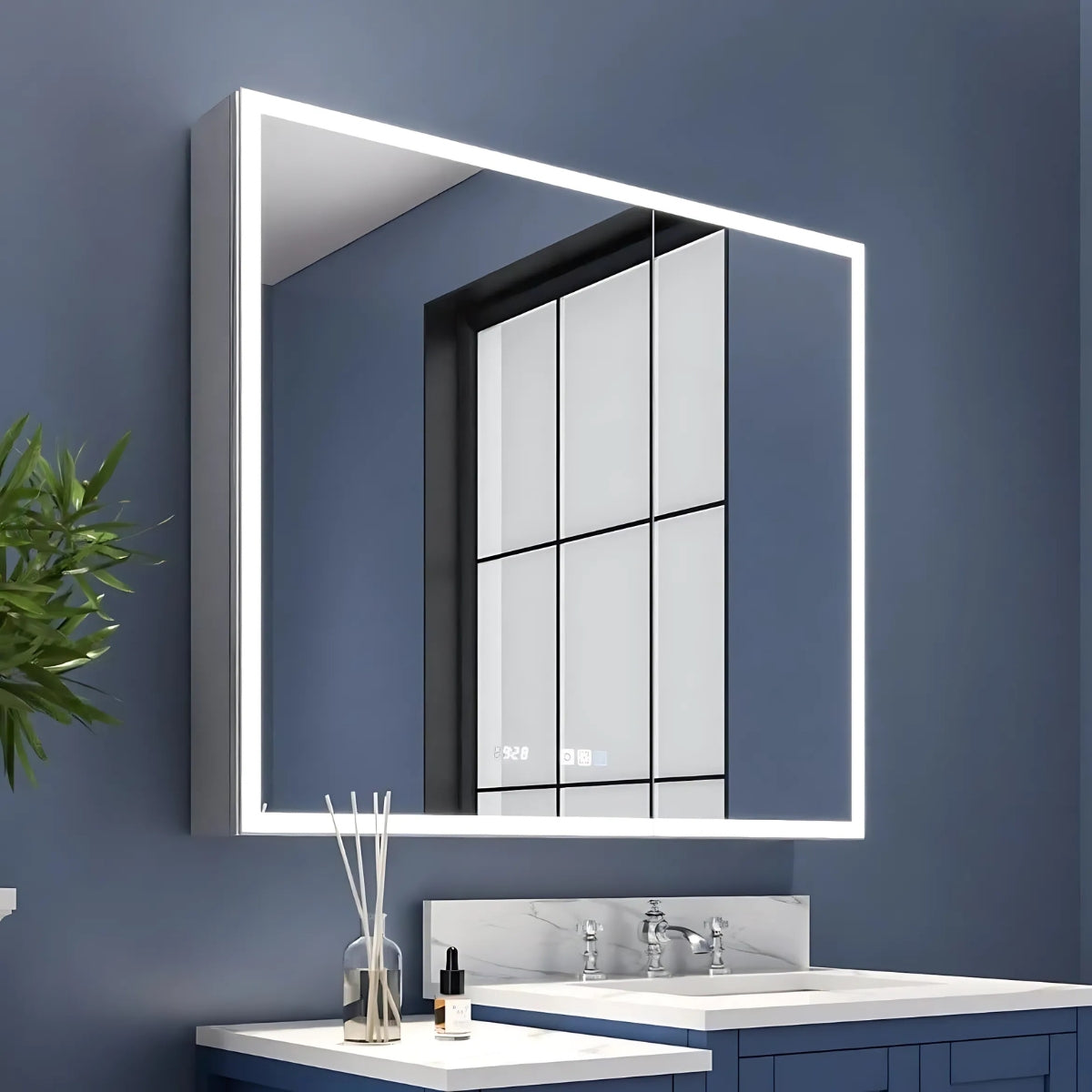
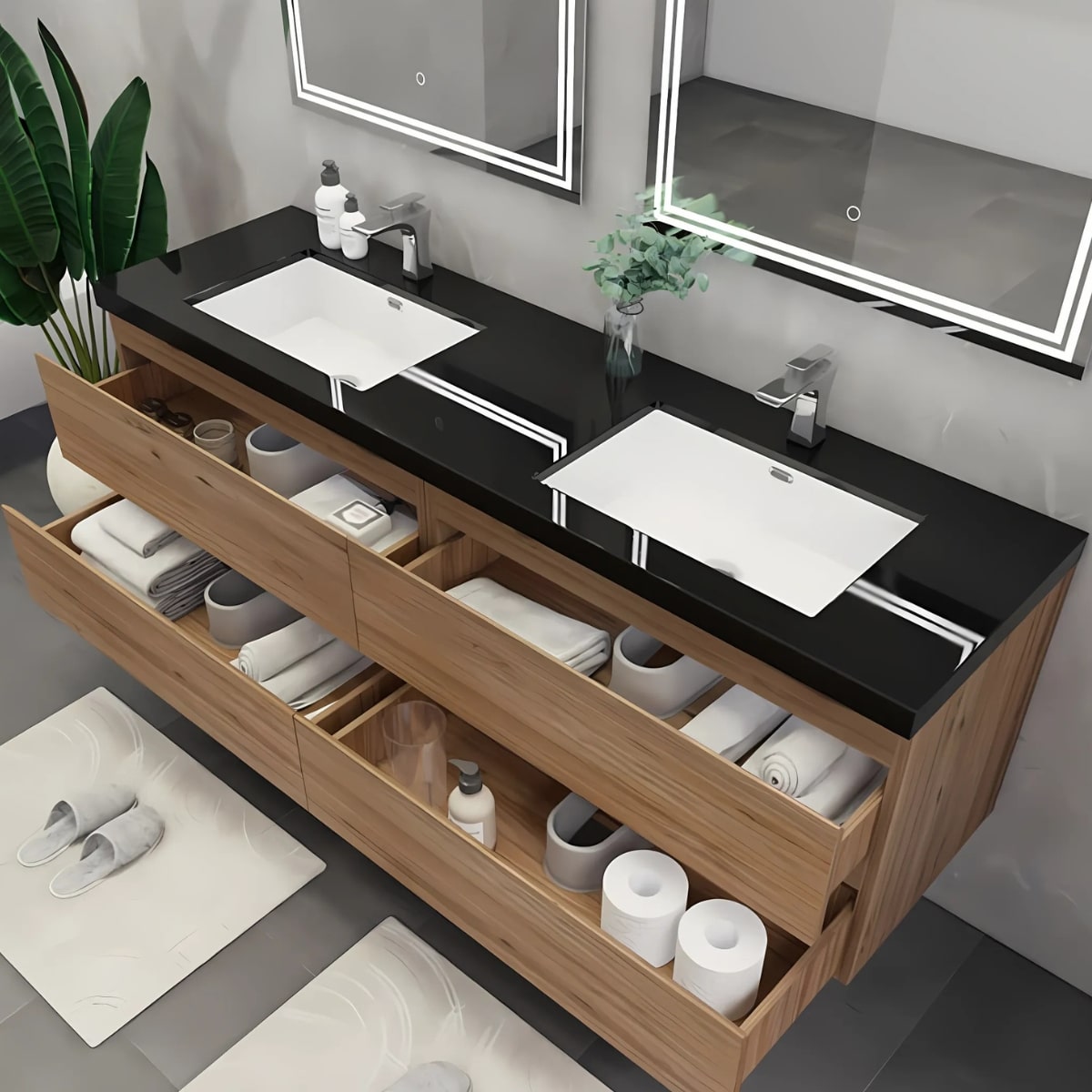
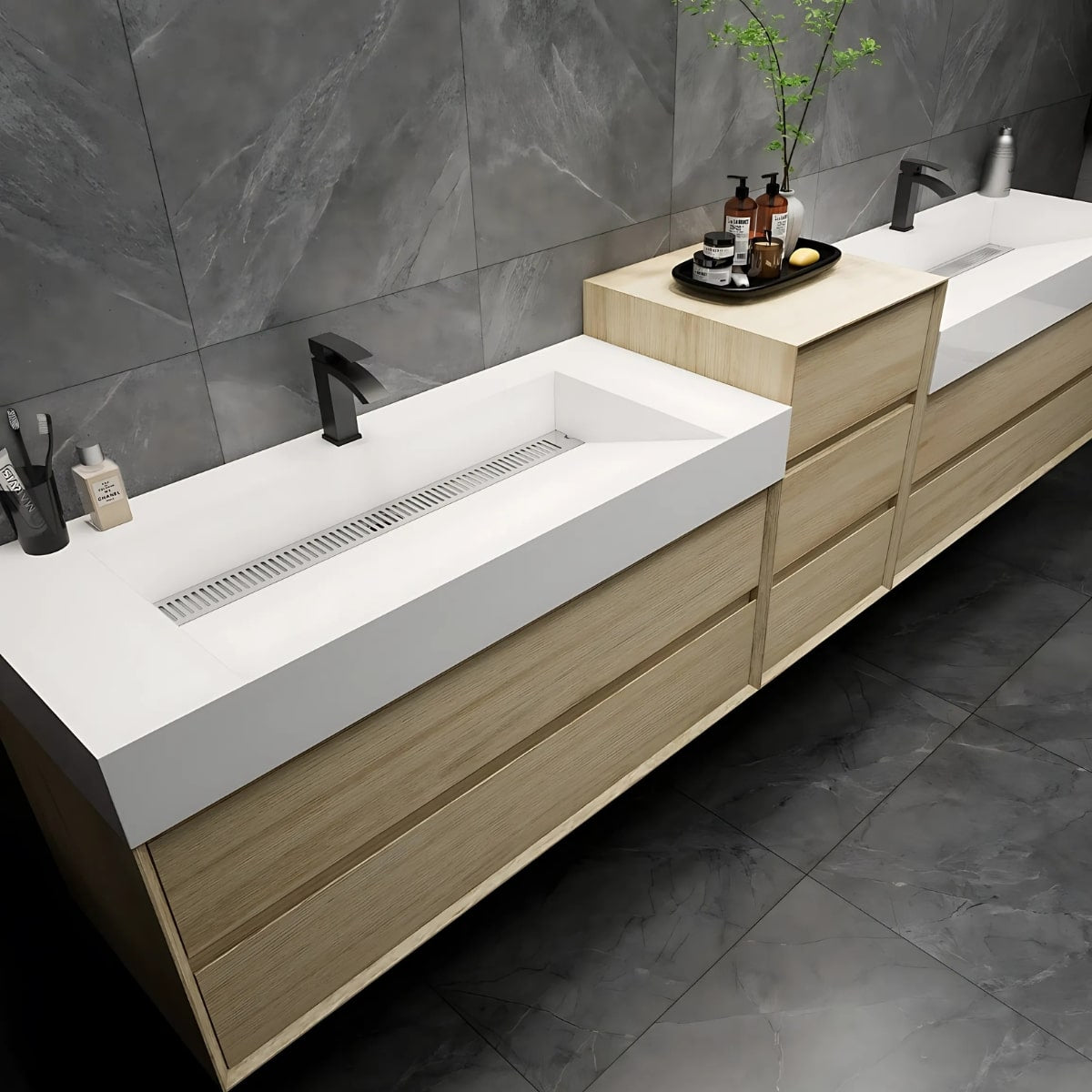




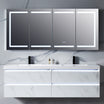
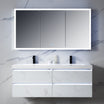
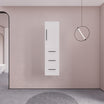
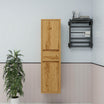
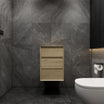



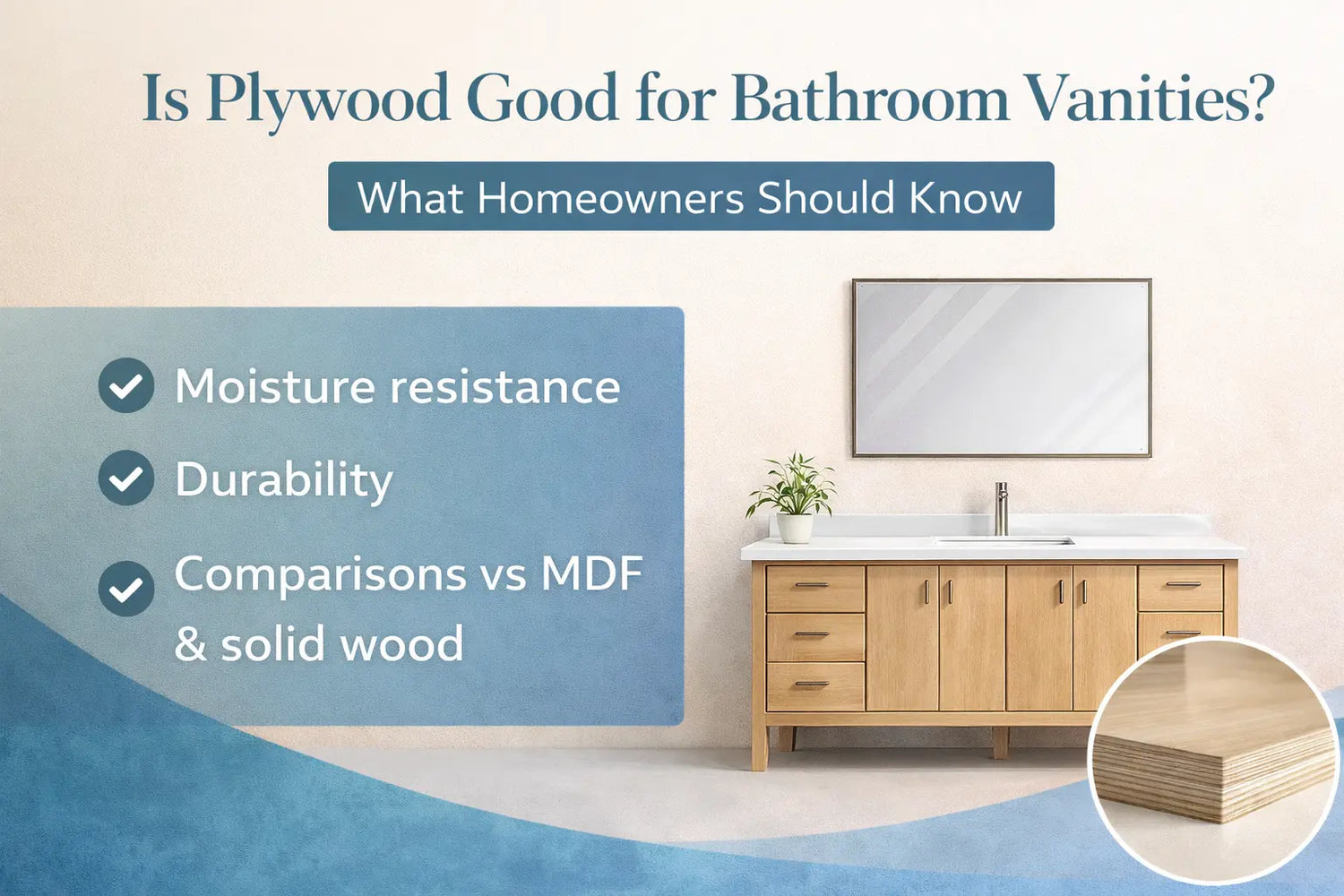
Not sure if plywood is a good material for a bathroom vanity? This guide explains how plywood performs in humid environments, how it compares to other materials, and when it’s the right choice for your home.
What Homeowners Should Know
When shopping for a bathroom vanity, material choice is one of the most important — and most confusing — decisions. Many homeowners hesitate when they see “plywood,” often wondering whether it’s durable enough for a bathroom environment.
The short answer: yes, plywood is one of the best materials for bathroom vanities when it’s properly constructed and finished. This guide explains why plywood is commonly used, how it compares to other materials, and when it’s the right choice for your home.
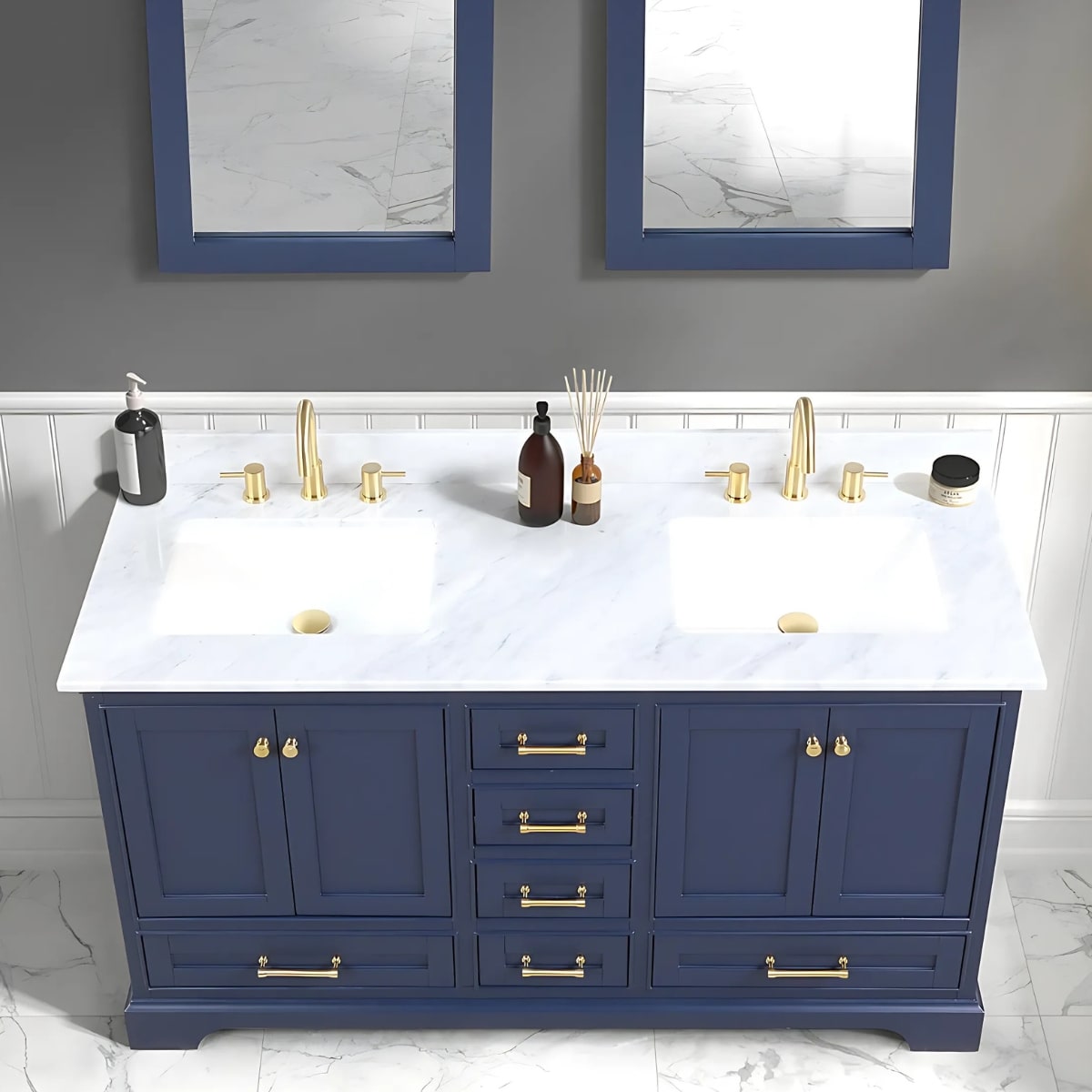
This is why many homeowners choose plywood bathroom vanities for long-term durability in humid environments.
Why Material Choice Matters in a Bathroom
Bathrooms are challenging environments for furniture. Daily humidity, temperature changes, and frequent use put stress on vanity materials over time.
Choosing the right material affects:
- Long-term durability
- Resistance to moisture and warping
- Structural strength
- How well drawers, doors, and hardware hold up
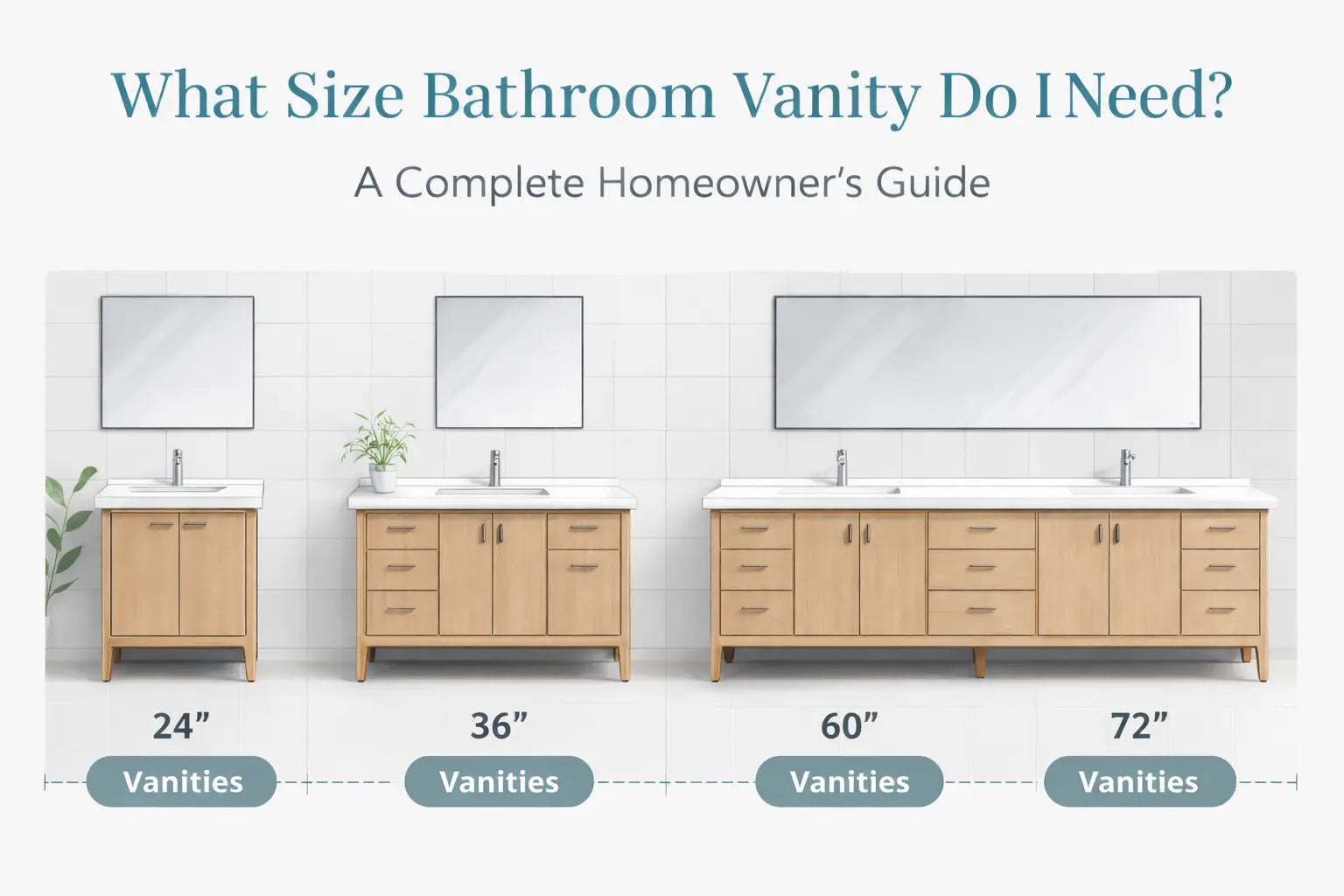
That’s why material quality matters just as much as style or size. Material is just one part of the decision — choosing the right size matters just as much, especially in primary bathrooms.
What Is Plywood?
Plywood is made by bonding multiple thin layers of wood veneer together, with each layer’s grain running in a different direction. This layered construction creates a strong, stable panel that resists expansion and contraction.
It’s important to distinguish plywood from:
- Particle board, which uses wood fragments and glue
- MDF, which uses compressed wood fibers
Plywood’s structure gives it strength and moisture resistance that these alternatives often lack.
Why Plywood Is Commonly Used in Bathroom Vanities
Plywood is widely used in quality bathroom cabinetry because it performs well in humid conditions.
Key benefits include:
- Better moisture resistance than MDF or particle board
- Structural stability that helps prevent warping
- Strong screw-holding ability for hinges and drawer slides
- Consistent performance in changing temperatures
When sealed and finished correctly, plywood holds up exceptionally well in bathrooms.
Plywood vs Other Bathroom Vanity Materials
Understanding how plywood compares to other materials helps clarify why it’s so popular.
Plywood vs MDF
MDF offers a smooth surface, but it’s more vulnerable to moisture. Over time, exposure to humidity can cause swelling or breakdown. Plywood generally performs better in bathrooms.
Plywood vs Particle Board
Particle board is typically the least durable option in wet environments. It’s more prone to damage from moisture and has lower structural strength than plywood.
Plywood vs Solid Wood
Solid wood can be beautiful, but it expands and contracts naturally with humidity. Plywood’s layered construction often makes it more stable in bathroom conditions.
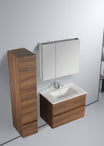
Plywood construction is often paired with clean, minimalist styles such as Scandinavian bathroom vanities.
Common Myths About Plywood Vanities
“Plywood is cheap or low quality.”
In reality, plywood is commonly used in premium cabinetry because of its strength and reliability.
“Solid wood is always better.”
Solid wood can move more with humidity. Plywood often offers more consistent performance in bathrooms.
“Plywood won’t last.”
A well-built plywood vanity can last for many years with normal bathroom use.
When a Plywood Vanity Is a Smart Choice
Plywood bathroom vanities are especially well suited for:
- Primary bathrooms with daily use
- Homes with higher humidity levels
- Families who need durability
- Buyers looking for long-term value
If performance and longevity matter, plywood is often a smart option.
When Another Material Might Make Sense
There are cases where another material may work:
- Low-use powder rooms
- Very specific design or finish requirements
- Short-term or budget-focused projects
Understanding your priorities helps guide the right choice.
How to Identify a Quality Plywood Vanity
Not all plywood vanities are the same. Look for:
- Proper sealing and moisture-resistant finishes
- Solid cabinet box construction
- Quality drawer slides and hardware
- Clean joinery and consistent panels
Construction quality matters as much as the material itself.
How Vanity Plus Uses Plywood in Its Vanities
At Vanity Plus, plywood is used where it makes sense — for durability, stability, and everyday performance. Our plywood vanities are selected with bathroom conditions in mind and paired with finishes designed to withstand regular use.
We focus on helping customers understand why materials matter so they can make confident, informed decisions.
Plywood Bathroom Vanity FAQs
Is plywood good for bathroom vanities?
Yes. Plywood is one of the most commonly recommended materials for bathroom cabinetry due to its durability and moisture resistance.
Will plywood warp in a bathroom?
Quality plywood with proper sealing is far less likely to warp than MDF or particle board.
Is plywood better than MDF for bathrooms?
In most cases, yes. Plywood generally offers better long-term performance in humid environments.
How long do plywood bathroom vanities last?
With proper construction and normal care, plywood vanities are designed to last many years.


Leave a comment
All comments are moderated before being published.
This site is protected by hCaptcha and the hCaptcha Privacy Policy and Terms of Service apply.